Last week was a very important moment for Caritas Nigeria at the 79th World Health Assembly in Geneva, where global conversations focused on the future of health systems, artificial intelligence, and equitable access to care.
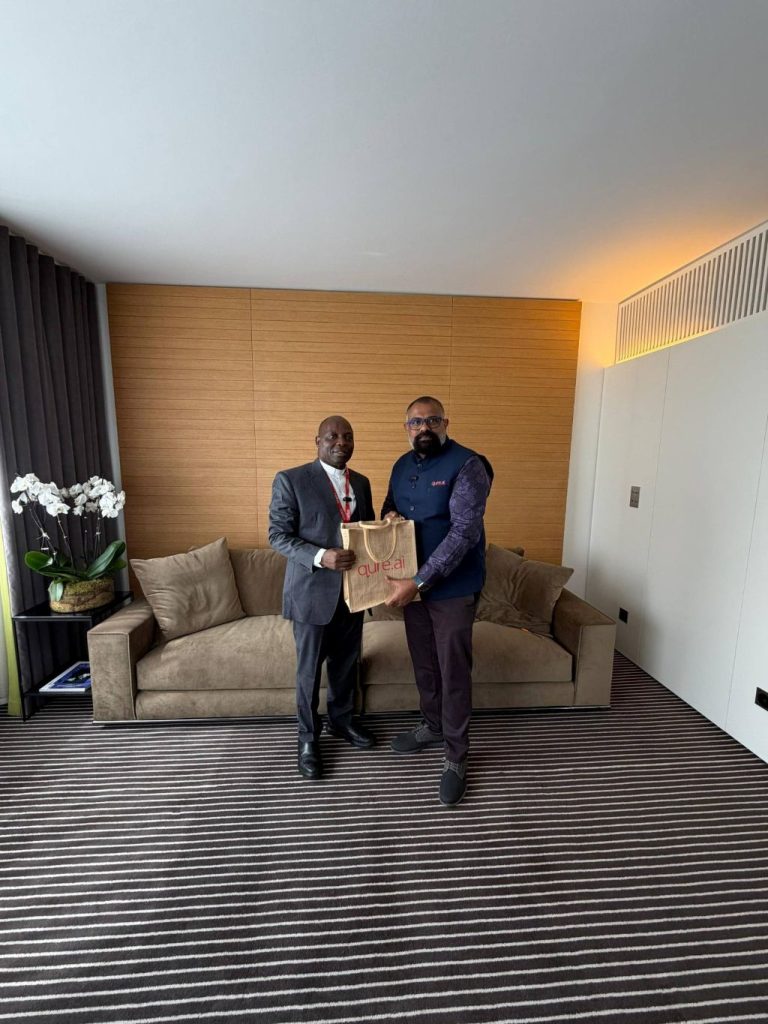
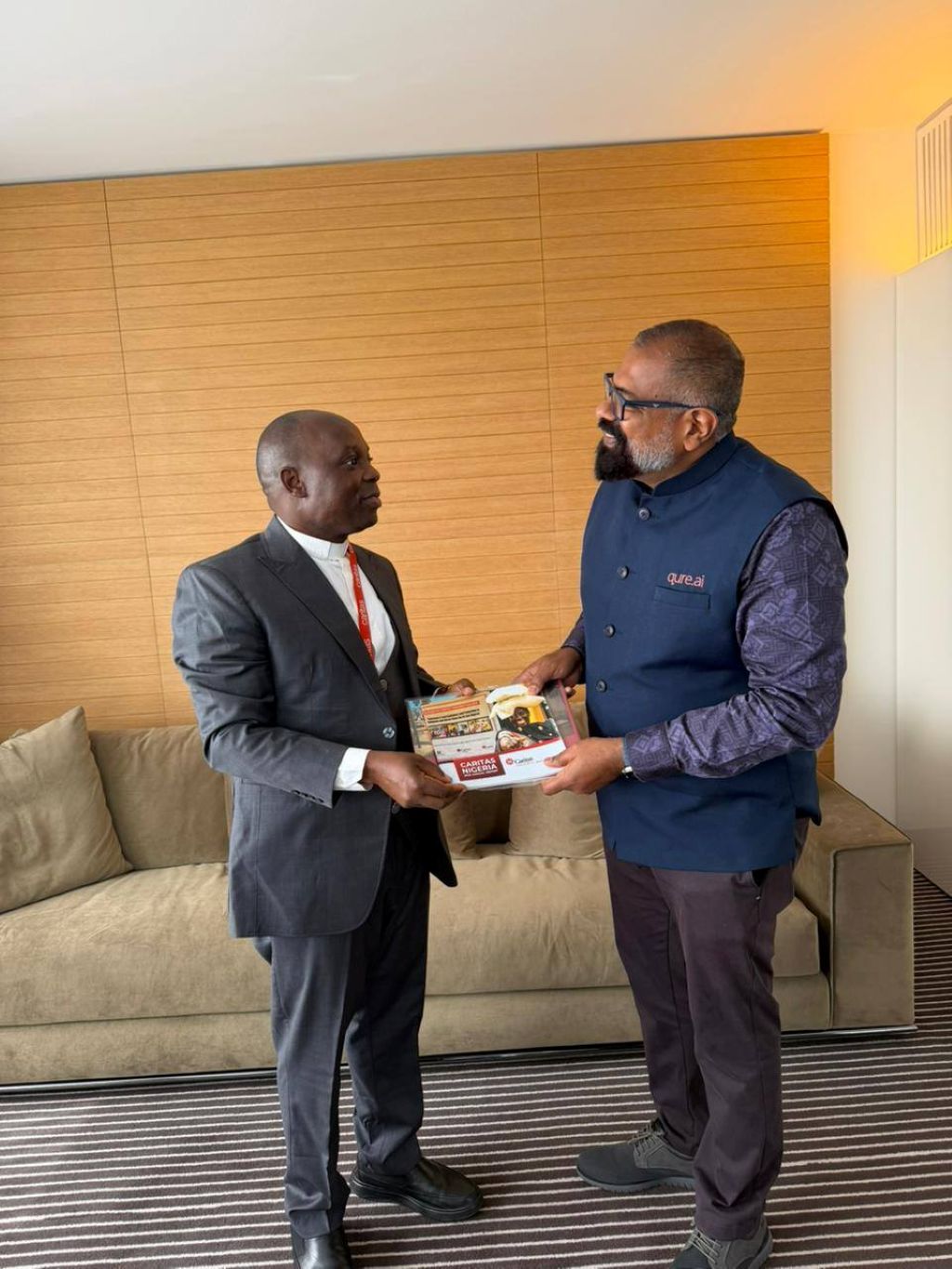
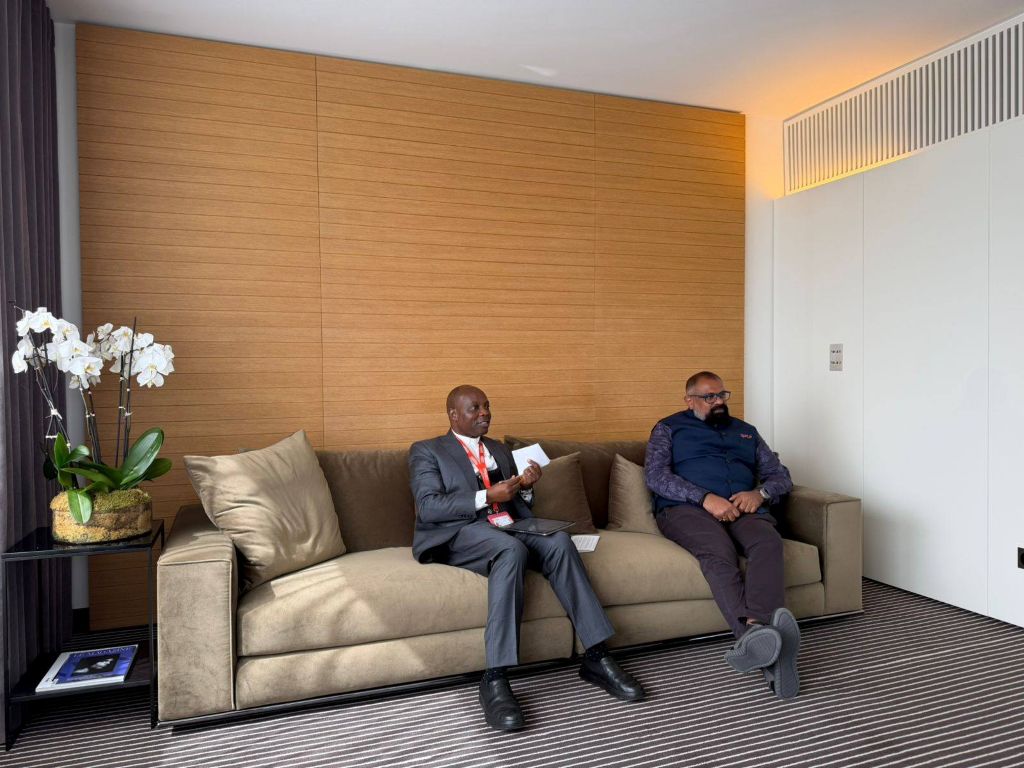
One of the highlights of the week was a fireside conversation between our Executive Secretary/CEO, Fr Peter Audu, and Dr. Shibu of Qure.ai on the role of AI in strengthening healthcare delivery in low-resource settings. The discussion centered on a critical question facing many health systems today:
How can artificial intelligence support frontline healthcare workers while preserving the human dignity, compassion, and trust that remain at the centre of care?
Drawing from Caritas Nigeria’s ongoing Aira AI Co-Pilot pilot in Nigeria, Fr. Audu shared how AI-supported clinical documentation and decision-support tools are being explored to reduce administrative burden on health workers, strengthen adherence to national guidelines, improve workflow efficiency, and support decentralized HIV and TB service delivery within routine health systems.
Importantly, he emphasized that AI is not a replacement for healthcare workers.
Rather, it is a tool designed to support overstretched frontline providers, allowing them to spend more time with patients, improve continuity of care, strengthen follow-up systems, and enhance service quality in underserved communities.
Referencing the reflections of Pope Leo XIV in Magnificat Humanitatis on the ethical use of technology and the protection of human dignity in a rapidly changing world, Fr. Audu reinforced that healthcare innovation must always remain people-centered, equity-driven, and rooted in compassion, dignity, and humanity.
The conversations at WHA79 reaffirmed that the future of digital health must not only be innovative but also responsible, ethical, and locally grounded. We remain committed to demonstrating how AI and digital innovation can be responsibly implemented to strengthen health systems and improve access to quality care for vulnerable populations.