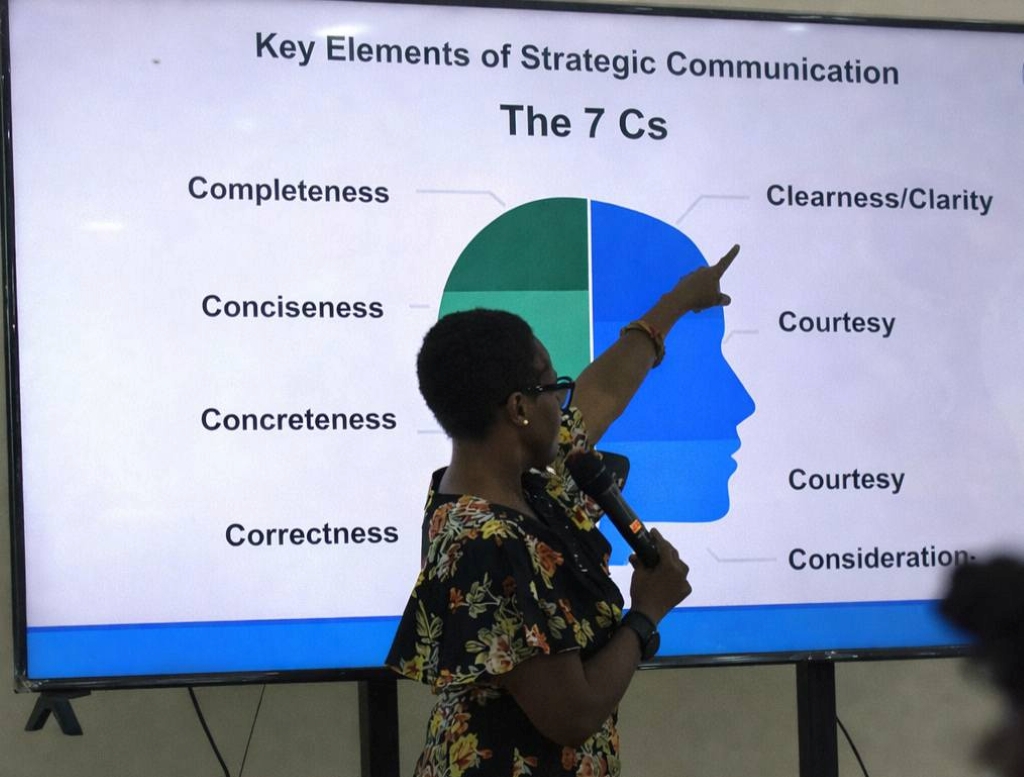
Recently, Caritas Nigeria, in collaboration with the Catholic Secretariat of Nigeria and agencies of the Catholic Bishops’ Conference of Nigeria, participated in a three-day Training of Trainers on the prevention of sexual and gender-based violence (SGBV) in Nigeria. Funded by the Ford Foundation and facilitated by the Lux Terra Leadership Foundation, the programme drew extensively from Catholic Social Teaching to address SGBV as a violation of human dignity and the inviolability and sanctity of the human person.
In his presentation, the Executive Director of Lux Terra Leadership Foundation, Fr. George Ehusani, identified fallen human nature as a root cause of societal evils and called on participants to embrace continuous conversion rooted in peace, love, and sacrificial service. He stressed the importance of collaborating with religious leaders to deliver transformative pastoral messages, positively influence behaviour, and mobilise Church structures to protect the vulnerable, while also engaging canonical provisions, scriptural texts, cultural realities, and relevant secular frameworks.
Reinforcing these reflections, the Secretary General of the Catholic Secretariat of Nigeria, Fr. Michael Banjo, emphasised the centrality of the Church’s social teachings, which affirm the equal dignity and complementarity of women and men created in the image and likeness of God. He noted that the partnership between the Church and the Foundation is laying a strong foundation for structural reforms that promote safe, dignified, and accountable spaces within Church institutions.
Over the course of the training, participants examined the interplay between religious and cultural beliefs and gender-based violence, relevant legal and policy frameworks, prevention strategies, psychosocial support and case management, as well as monitoring and evaluation mechanisms. Syndicate sessions further strengthened learning, collaboration, and participants’ capacity to implement effective SGBV prevention and response initiatives within their respective institutions.